Loading…
Loading…

Adaptation Challenges in a Conflict Context
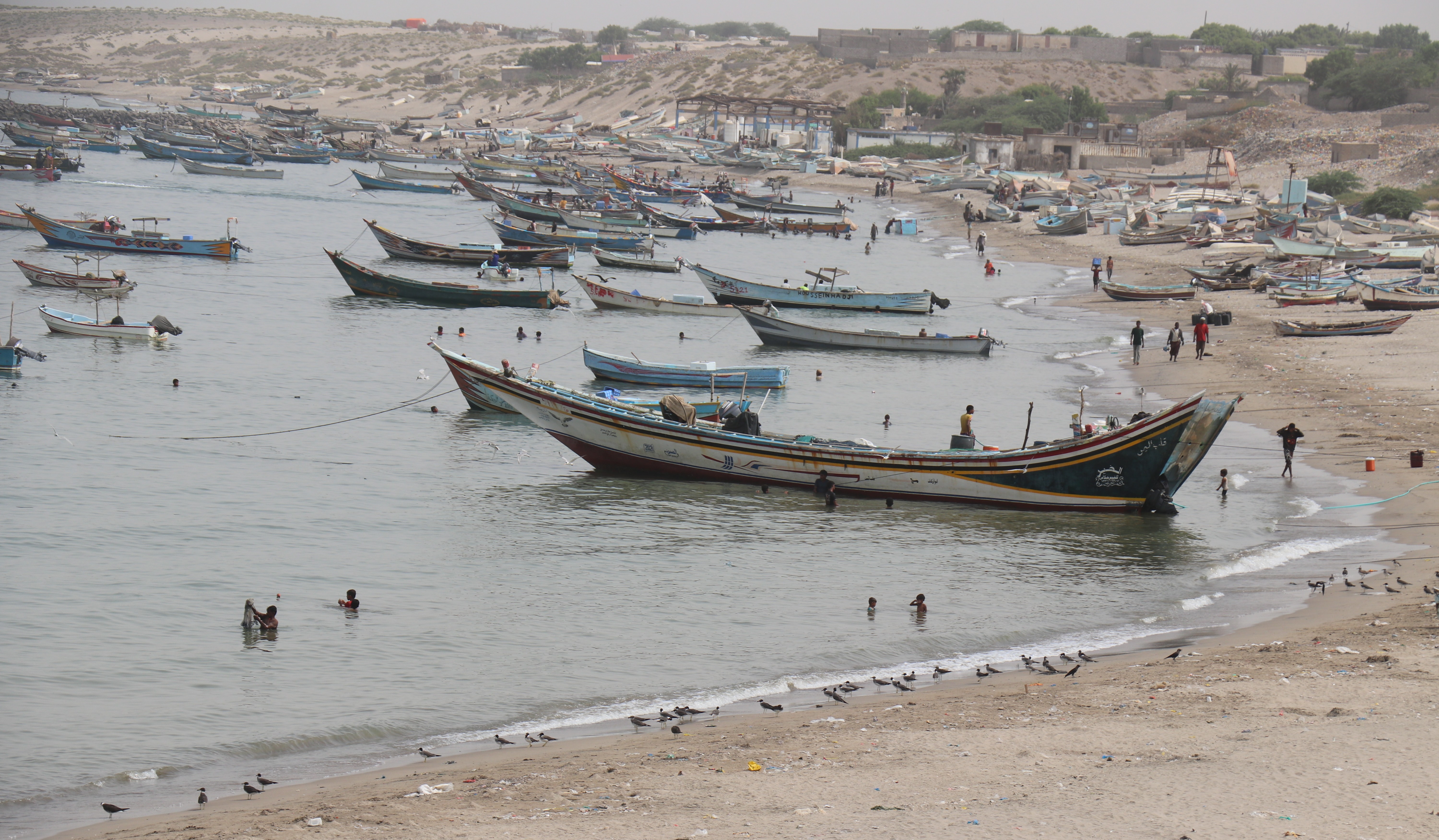
Executive Summary This paper examines the challenges facing traditional fishing communities on Yemen’s west coast in the context of climate change and explores how its impacts interact with conflict, economic pressures, and weak institutions. Although Yemen contributes very little to global greenhouse gas emissions, its coastal communities are increasingly exposed to climate impacts while lacking the resources and protection needed to adapt, safeguard their rights, and sustain their livelihoods. The paper draws on a review of scientific, official, and human rights studies and reports, as well as nine qualitative interviews with traditional fishers, women from fishing families, and community and human rights activists in the Al-Mokha and Dhubab areas. The analysis shows that rising sea temperatures, changes in the marine environment, shifting wind seasons, and more frequent extreme weather events are placing increasing pressure on traditional fishing. These pressures coincide with fishers’ observations of declining catches of certain species near the coast, the need to travel longer distances to fishing grounds, and increased risks during fishing trips. However, the paper does not attribute all these changes conclusively to climate change, given the lack of scientific data specific to Yemen’s west coast and the influence of other contributing factors. The analysis also reveals that conflict has intensified these risks and weakened fishers’ ability to adapt. This has occurred through restrictions on access to the sea, rising fuel and fishing equipment costs, damage to infrastructure, and inadequate early warning systems and fisheries management. At the same time, coastal communities remain largely excluded from meaningful participation in the policies and decisions affecting their resources and livelihoods. Accordingly, the paper calls for climate adaptation to be integrated into fisheries policies, early warning systems to be improved to protect fishers’ safety, infrastructure to be rehabilitated, safe access to the sea to be ensured, and fisheries to be managed in partnership with local communities. It also emphasizes the importance of recognizing the roles of women and unregistered workers, directing long-term strategic funding towards the most exposed coastal communities to strengthen their adaptive capacity rather than relying solely on emergency and cash assistance, and enhancing regional cooperation to protect Red Sea resources.